The conversation around Diversity, Equity, and Inclusion (DEI) is evolving. It's moving beyond representation to create environments where every individual can truly thrive. A critical, yet often overlooked, part of this evolution is neurodiversity. We're not just talking about a trend; we're talking about a fundamental shift in the talent landscape. For leaders in real estate and workplace strategy, this presents a monumental opportunity: to transform the physical workplace from a passive backdrop into an active, strategic lever for attracting and retaining the future's brightest minds.
Organizations like SAP, JPMorgan Chase, and Microsoft have already demonstrated that neuro-inclusive hiring programs are not just a social good but a powerful business advantage. Studies show that neurodiverse teams can be up to 30% more productive. Yet, attracting this talent is only half the battle. The real challenge—and opportunity—lies in creating an environment where they choose to stay and excel.
The Future of Work is Neuro-Inclusive
Neurodiversity refers to the natural variations in the human brain, encompassing conditions like ADHD, autism, dyslexia, and dyspraxia. This isn't a small segment of the population. Globally, 15-20% of people are considered neurodivergent, but three-quarters of them choose not to disclose this condition at work [1]. As awareness and self-identification grow, especially among younger generations, these numbers are becoming more visible in the workforce.
Consider this:
- 53% of Gen Z describe themselves as neurodivergent or having a cognitive difference, i.e., having different problem-solving, communication, and learning styles. [2]
- By 2030, Gen Z will constitute nearly a third of the global workforce.
- A staggering 80% of Gen Z job seekers say they would not work for an employer that fails to support neurodiversity and mental health.
The message is clear: failing to design for neuro-inclusion is no longer an option. It's a direct threat to your talent pipeline and, consequently, your organization's capacity for innovation and growth. HR policies are essential, but they are incomplete without a workplace strategy that supports them.
Designing for Every Mind: Universal Design Principles
So, how can you adapt your physical and digital workplaces to support neurodiverse individuals? The answer lies in universal design—creating spaces that are inherently accessible and comfortable for everyone, regardless of their neurological profile. This isn't about building separate, specialized areas; it's about embedding flexibility and choice into the fabric of your entire workplace ecosystem.
Based on standards like BSI's PAS 6463 (Design for the Mind), WELL v2 and ISO 45003:2021 (Occupational health and safety management — Psychological health and safety at work), here are proven design levers that make a tangible difference:
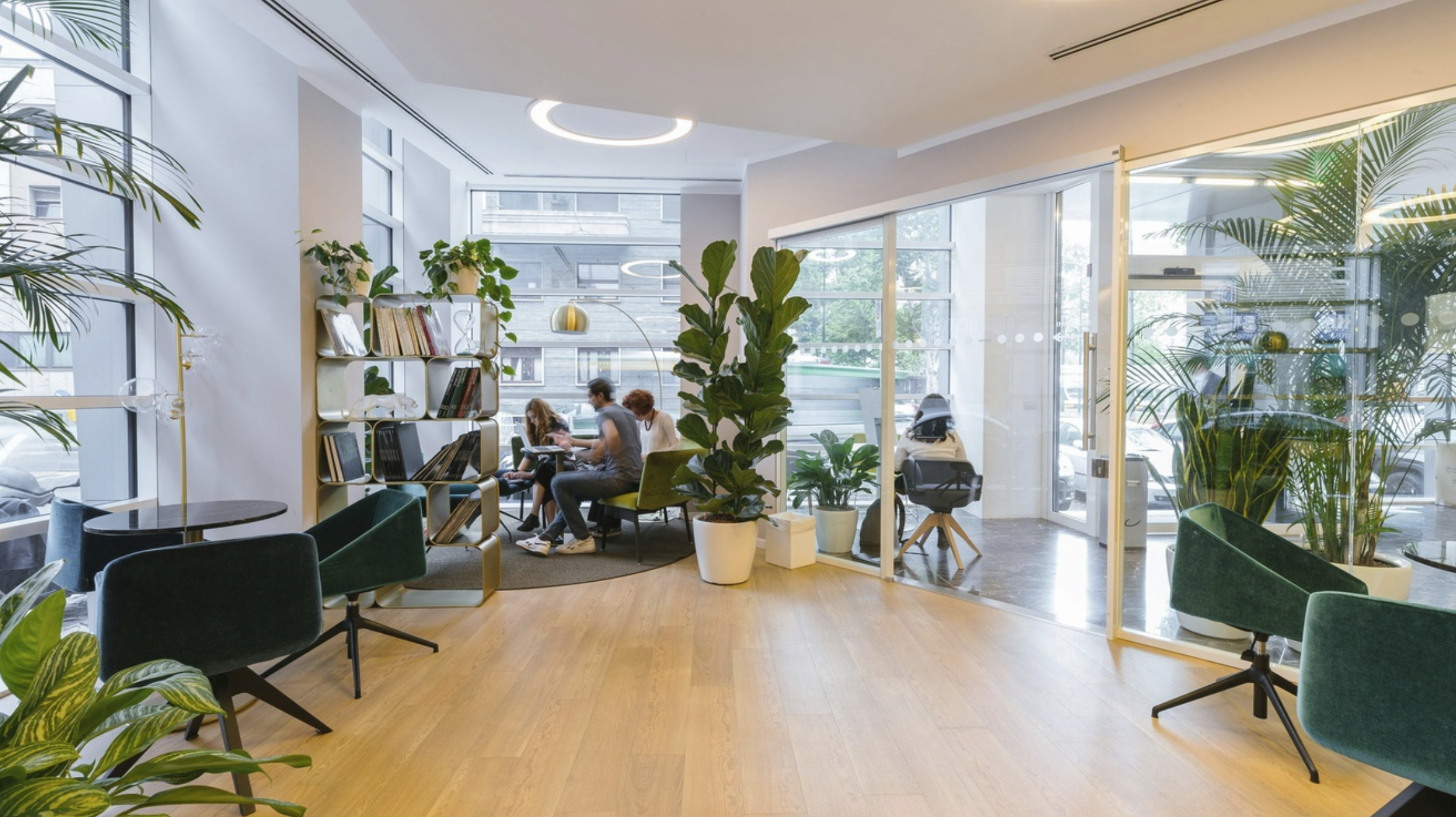
- Give Choice and Control Over Stimuli: An open-plan office can be a sensory minefield for some. Provide a variety of spaces, from bustling collaboration hubs to quiet, focused "deep work" zones. Think libraries, enclosed pods, and bookable private rooms.
- Acoustic and Lighting Control: Unpredictable noise and harsh or fluctuating lighting are common sources of stress, that can be felt even worse by neurodiverse people. Incorporate sound-absorbing materials and offer adjustable lighting options. This allows individuals to tailor their immediate environment to their sensory needs, boosting comfort and productivity for everyone.
- Predictability and Legibility: Clear navigation is crucial. Use intuitive layouts, logical sequencing of spaces, and clear signage to reduce the cognitive load required to simply move through the office. This creates a sense of safety and reduces anxiety.
- Spaces for Retreat and Decompression: Everyone needs a break. Providing "calm rooms" or quiet retreat areas without technology gives employees a space to decompress and reset, which is vital for managing sensory overload and maintaining well-being.
Broader Organizational Benefits
Here's the best part. A workplace designed to support diverse employee needs doesn’t just benefit these specific individuals—it elevates the entire organization. By fostering a more inclusive environment, companies can improve morale for all employees, reducing stress and absenteeism. Psychological safety and flexibility strengthen loyalty and team collaboration.
The outcome of an enhanced workplace design? A virtuous cycle of stronger employee engagement that leads to more innovation and higher performance and, in the end, substancial economic benefits for the organization.
Beyond Anecdotes: Measuring the ROI of Inclusion
One of the key financial ROI drivers of an inclusive workplace is the significant reduction in employee turnover costs. By fostering a culture where employees feel valued and supported, organizations can decrease turnover rates, while appealing to new neuro-diverse talents, ultimately saving on recruitment, onboarding, and training expenses.
Additionally, inclusive workplace practices have been shown to enhance productivity from focused, detail-oriented neurodiverse employees, and innovation through diverse cognitive approaches. These two elements lead to improved operational efficiency and tangible revenue growth. JPMorgan Chase experienced productivity from neurodivers employees about twice as high as other employees on certain roles, thanks to appropriate management practices and organization-wide support. [3]
Companies that prioritize inclusion often experience stronger brand reputation and customer loyalty, both of which contribute to long-term financial resilience. Furthermore, inclusion initiatives can align with sustainability goals, creating opportunities for grants, incentives, and tax benefits connected to socially responsible practices.
As a leader, you need to demonstrate the value of these investments. While employee satisfaction surveys are useful, we can now go deeper. At Altanova, we're exploring innovative, quantifiable methods to prove the impact of inclusive design. By correlating environmental data (like noise levels, CO2, and light) with anonymized HR metrics (like absenteeism, retention rates, satisfaction in the workplace and perceived productivity), we can draw direct lines between workplace improvements and business outcomes.
For example, we can use our proprietary Sustainable Workplace App to model the ROI of specific design interventions. By comparing the value created—in terms of talent attraction, employee engagement, and productivity—against the investment costs, we can build a powerful business case for creating a more inclusive and sustainable workplace. This data-driven approach moves the conversation from "nice-to-have" to a strategic imperative with a clear financial return.
Your Workplace Is Your Statement
The workplace is a physical manifestation of your company's culture and values. An environment that ignores the needs of a significant portion of its talent is sending a clear message. Conversely, a workplace designed with intention and empathy becomes a powerful tool for attraction, retention, and innovation.
It’s time for workplace and real estate leaders to partner with HR and step into a new role: as champions of an inclusive culture. By embracing neuro-inclusive design, you are not just accommodating differences; you are unlocking a new dimension of human potential and securing your organization's competitive edge for years to come.
What steps is your organization taking to make its workplace more inclusive for neurodiverse minds? Feel free to share your thoughts and experiences in a comment.
Sources
- Neurodiversity Inclusion: Leaders share how to Unlock Potential & Maximize Success | Texthelp
- The Business Case For Neurodivergent Leadership
- Neurodiverse applicants are revolutionizing the hiring process